
Introduction — a short scene, a number, a question
I stand by a welding station and watch tiny orange sparks fall like quick confetti. In many shops that sight is familiar — and so is the cough that follows. In automotive manufacturing welding fume extraction we chase more than smoke; we chase worker health, regulatory limits, and steady cycle times. Recent plant audits show particulate counts rising near weld benches by 30–50% during peak shifts (and yes, those numbers bite into uptime). How do we balance throughput with clean air in a way that is practical, affordable, and—dare I say—respectful to the people on the line?
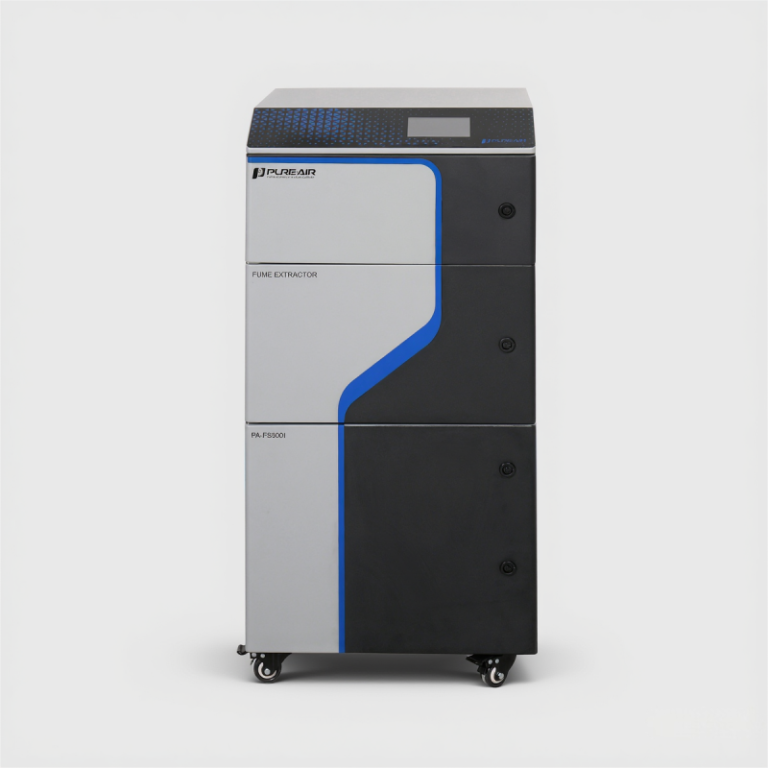
I write this as someone who has paced the shop floor and read the reports. I will share what I see, the hard facts, and ways we can do better. This is not a dry manual. Think of it as a short conversation over tea—simple, plain, and honest. Next, we’ll dig into why common fixes often miss the mark and what that means for you and your team.
Part 2 — Where traditional fixes fail (the deeper layer)
manual welding fume extraction has been the go-to for decades: a portable hood, a fan, maybe a HEPA filter tucked somewhere. On paper it sounds fine. In practice, the capture hood is often poorly placed, the fan underpowered, and filters clog before anyone notices. The result? Plumes slip past the capture zone and travel down the line. I’ve seen this at three OEM suppliers. The fumes skirt past local exhaust ventilation and reach operators’ breathing zones. Look, it’s simpler than you think—misalignment and weak flow are the usual villains.
Why do these solutions stumble?
First, many installs assume ideal geometry. Real welds move. Fixtures shift. A fixed capture hood cannot follow a bead. Second, filter maintenance is seen as “low priority.” Clogged HEPA filters and saturated pre-filters reduce capture velocity. Third, system selection often ignores ancillary tech—edge computing nodes for sensor data, and power converters for variable-speed fans. Without sensors and control, the extractor runs blind. The pain is human and operational. Workers get headaches. Downtime creeps in. Productivity drops. — funny how that works, right?
Part 3 — Looking forward: principles and choices for better outcomes
We should move to principles that guide choice, not buzzwords that confuse. Start with dynamic capture: fume arms and mobile capture hoods that adapt to the weld path. Combine that with distributed sensors (yes, small edge computing nodes can help) to monitor particulate and fan performance in real time. Then add smart filtration staging—coarse pre-filters before HEPA—to extend life and lower cost. Manual welding fume extraction systems that are paired with sensor feedback beat static set-ups almost every time. I’ve seen sample lines cut rework and safety incidents when they switched to sensor-led extraction—measurable gains. — I tell you, simple changes ripple out.
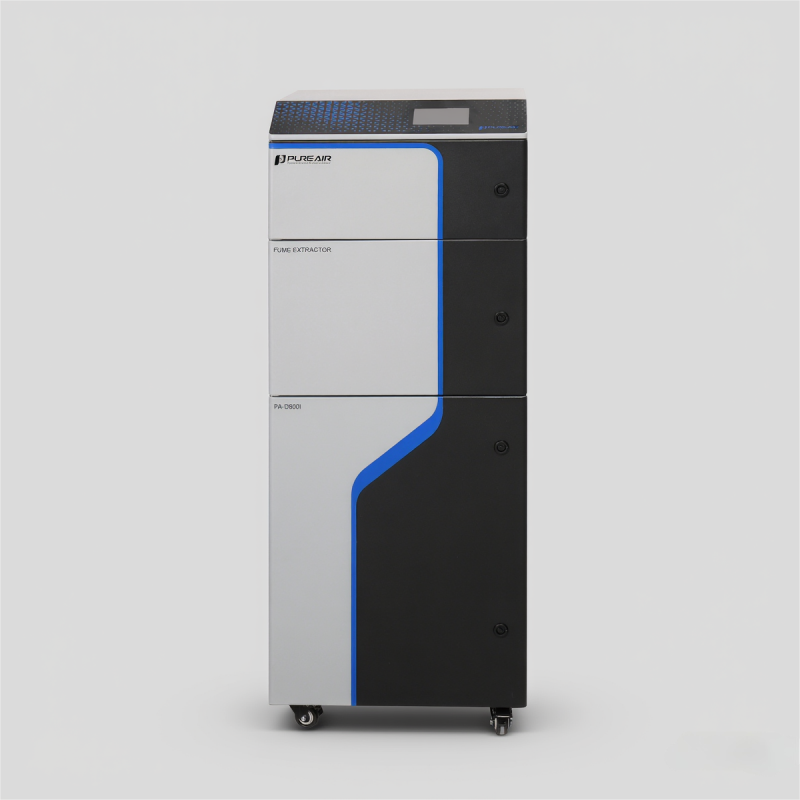
What’s next is not a single gadget. It’s integration. Think about tunable flow control, predictive maintenance alerts, and modular capture hoods that operators can quickly position. The idea is to design for the real shop environment: moving fixtures, varied weld types, spot welding versus seam welding. Use local exhaust ventilation where it fits, but do not rely on it alone. Combine it with capture hoods, fume arms, and active filtration. Case studies show whole-line improvements when these parts act together. That said, each plant must choose based on workload, footprint, and budget.
Closing — three metrics I use when I evaluate systems
I leave you with three key measures I trust when choosing or upgrading systems: capture efficiency at the weld face (aim high), real operational uptime of filters (track days between changes), and system responsiveness (how fast does flow adapt when position changes?). These metrics tell a story you can act on. They are simple, numeric, and honest. If you score them well, you will protect people and keep your line running. For solutions and support, I often look to companies that understand both the metal and the air — for example PURE-AIR.