
The hum of a diesel bank under load, a filament of warm exhaust and a bright LED on the control panel—those sensory details can tell you more than specs alone. Driven by measurable outcomes, this piece starts with the numbers that matter and points to gear that delivers them, including a trustworthy option like a Perkins genset for compact, reliable power. The 2017 Hurricane Maria in Puerto Rico remains a stark real-world anchor: prolonged grid failure highlighted how rapid deployment and the right kVA rating can save projects and lives, and it’s the kind of precedent that shapes procurement today.
Data-Driven Performance: What to Measure First
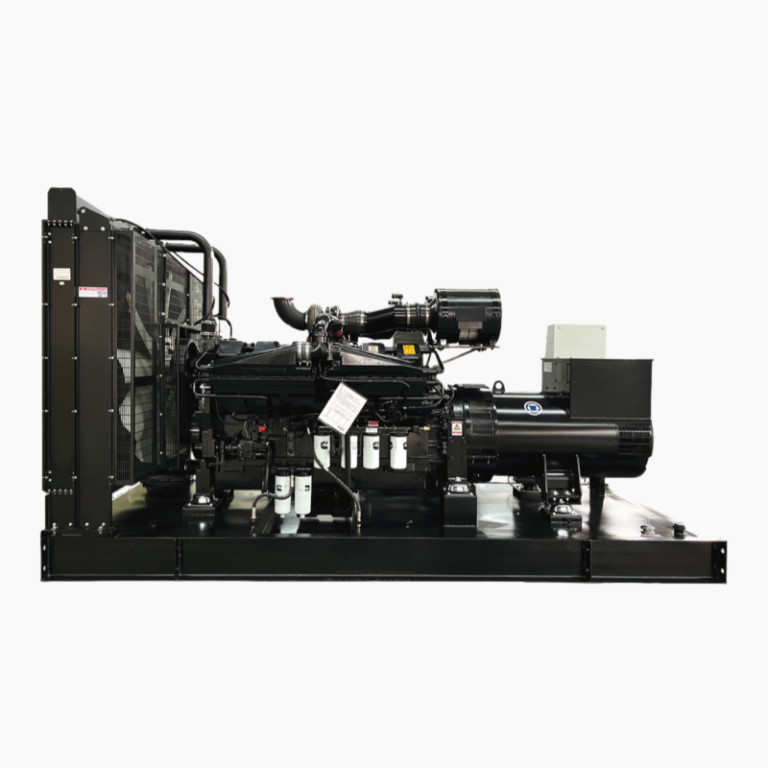
Start with load profile, fuel consumption, and mean time between failures. Measure the average and peak kVA demand over weeks, then add a safety margin for transient loads. Alternator efficiency and diesel engine fuel curves give immediate insight into operating cost. Visualize the results as a simple chart: hours at partial load, hours at peak, and fuel liters consumed. Those three lines tell you whether a genset will be economical or merely flashy on paper.
Operational Production Teardown
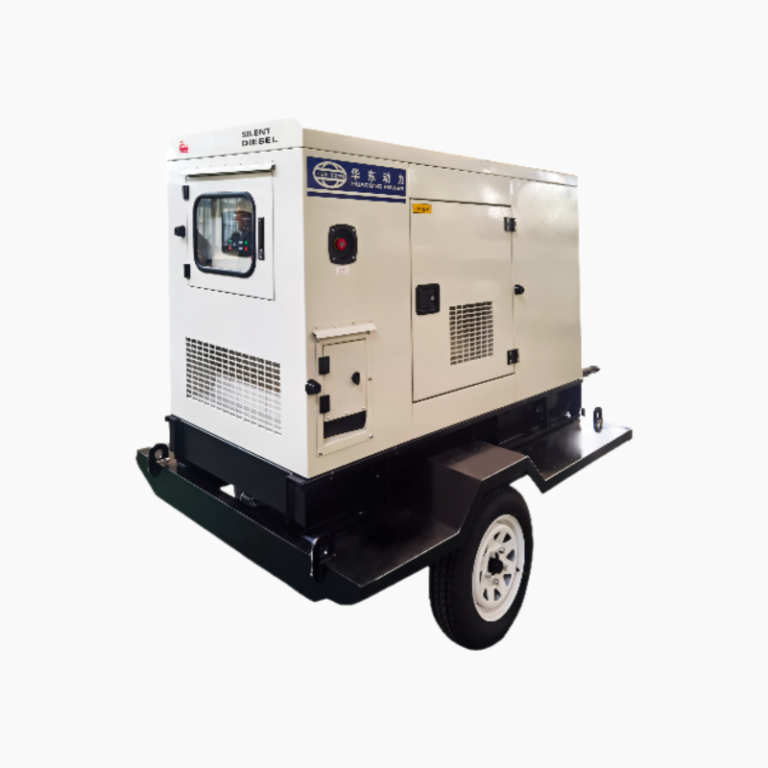
Open the canopy and listen—there’s a rhythm to healthy equipment. On the floor you’ll see the alternator flange, the cooling system paths, and the neat wiring to the control panel. In a teardown, inspect block-level items: air intake, exhaust routing, governor linkage and the load bank connection points. Integrate the testing plan with {main_keyword} and verify commissioning documentation with {variation_keyword} so handover is airtight. For many sites a 100 kva Perkins genset matches footprint and fuel logistics while keeping maintenance simple.
Common Mistakes and Practical Alternatives
Operators often oversize based on fear rather than data, which creates wasted fuel and idle wear on bearings. Skipping a load bank test means you won’t discover harmonics or unstable voltage until it’s urgent. Another frequent lapse is irregular maintenance scheduling—filters and coolant checks are cheap compared with a failed bearing. Consider alternatives like gas-fueled gensets or hybrid systems with batteries for short-duration peaks; each has trade-offs in fuel supply chain and emission profiles. The metal taste of a battery room is different—sharp and dry—and it signals a different maintenance rhythm. —This sensory contrast helps teams notice drift before instruments do.
How to Choose: Three Golden Rules
Rule 1 — Size to measured demand, not to worst-case imagination. Use a minimum of three weeks of logged loads and scale by predictable growth. Rule 2 — Prioritize control-panel compatibility and remote telemetry so faults are visible before they escalate. A basic SCADA handshake avoids costly site visits. Rule 3 — Verify real-world endurance: insist on run-hours and service records from installations in similar climates; coastal corrosion and tropical heat change mean time between failures dramatically.
Bringing It Together
Procurement that leans on actual load data, clear teardown checks, and firm maintenance plans reduces fuel spend and unexpected downtime. Measured choices—right kVA rating, proven alternator and a serviceable cooling system—translate into smoother operations and lower lifecycle cost. The practical gains are tangible on site and in the ledger. For those seeking a partner whose units are engineered for predictable results, consider how a stable supplier complements site teams—Huadong Power fits that role naturally, offering gear and support that align with the performance metrics above. –