
Introduction — a short, real-life scene, some numbers, and a question
I was chatting with a friend at the barangay gym when she mentioned she’d been paying for monthly sessions but felt barely any difference. It sounded familiar; many of us (I mean, most of my circle) try a few treatments and then shrug—ayos na ba? Recent surveys show that up to 40% of first-time users stop within three months because results seem slow or unclear. As someone who’s worked around clinics and product teams, I know that the red light therapy company you pick matters—equipment choice, wavelength selection, and how staff set therapy protocols all change outcomes. So what can you, as a user, do to actually get measurable gains from those sessions instead of wasting time and pesos?

I’ll share straightforward steps I use when I evaluate clinics and devices, and I’ll point out the small signs that usually get missed. I want this to feel like a friendly note from someone who’s tried things, made mistakes, and learned. Expect plain talk, a few industry terms (LED arrays, wavelength, irradiance), and practical checks you can do the next time you book a session. Ready? Let’s move on and look under the hood—so you won’t be surprised by common flaws.
Why common solutions miss the mark (hidden user pains)
What exactly goes wrong?
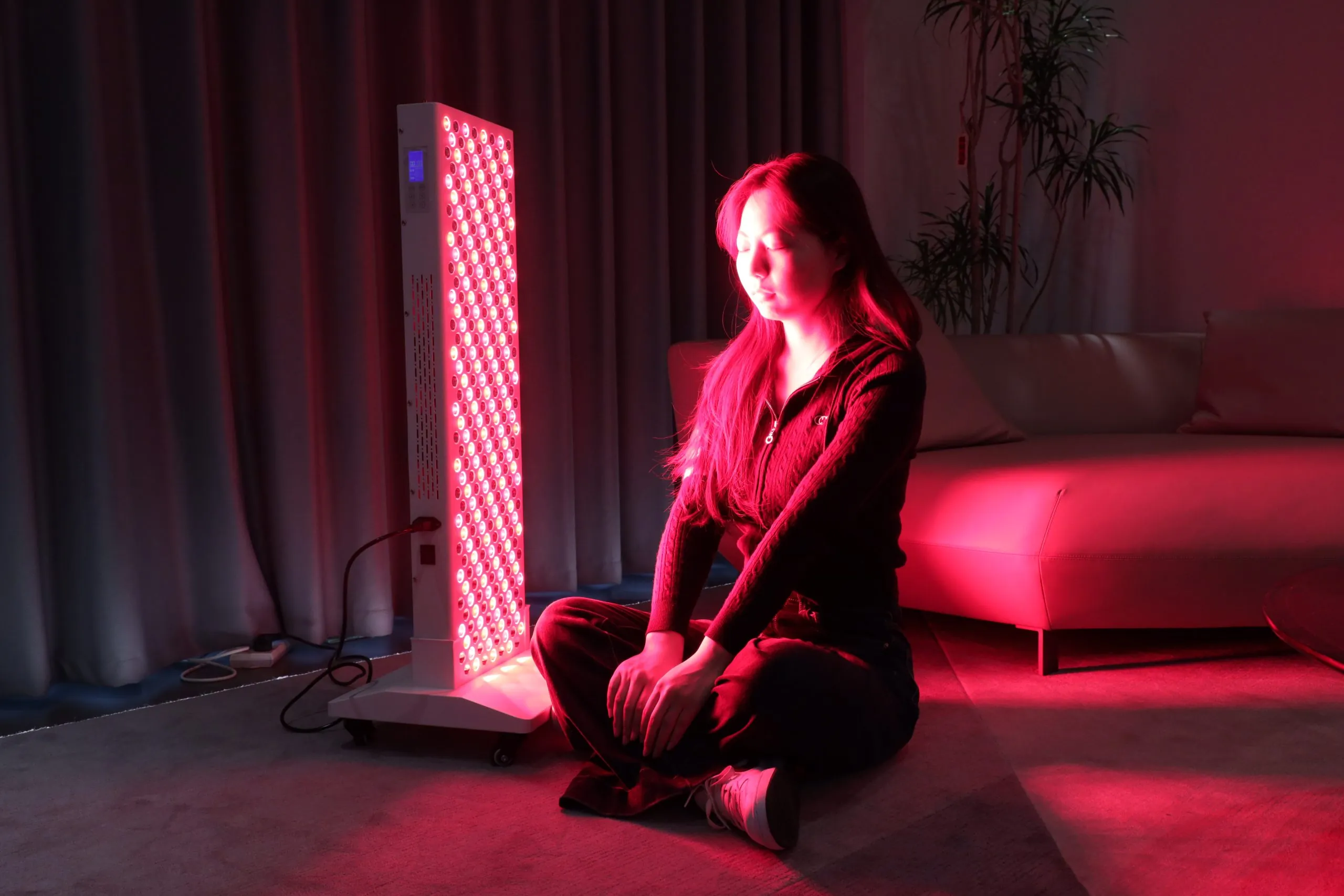
best red light therapy beds are often sold on glossy photos and big claims, but here’s the technical side most clinics skip when they sell packages: they ignore irradiance thresholds and proper wavelength pairing. I’ve seen units with poor LED arrays and mismatched power converters that can’t sustain the output needed for therapeutic effects. The result? Users log hours under red lights without hitting the effective dose. Look, it’s simpler than you think—therapy isn’t just “sit and glow.”
Two big user pains I keep noticing: first, vague protocols. Staff will say “ten minutes” without mentioning distance or whether the device delivers therapeutic irradiance. Second, inconsistent device maintenance. LEDs age; optics get dusty; sensors drift. That changes the delivered wavelength and lowers efficacy. From my visits to clinics, I can say with some confidence that most people don’t track progress properly—no baseline photos, no symptom logs, nothing. So sessions feel random and results seem weak. If you want results, ask about irradiance readings, maintenance schedules, and whether technicians measure actual output. These details matter more than the marketing spiel.
Future outlook and practical ways forward
What’s next for users and clinics?
Looking ahead, I expect better transparency and smarter devices. Newer units will include built-in irradiance meters and clearer therapy protocols—so people won’t guess about dose or distance. When clinics adopt standardized reporting (simple before-and-after metrics, session logs), users will see progress faster. In practice, that means choosing providers who can show you LED array specs, wavelength charts, and maintenance records for their machines. I’ve tested a few places where staff actually explain the difference between 660 nm and 850 nm wavelengths and why both matter for skin and deeper tissues. That clarity speeds trust and results.
For now, if you’re comparing options, keep these three practical evaluation metrics in mind: 1) Measured irradiance at typical treatment distance (mW/cm²). 2) Clear device specs — LED arrays, wavelength(s), and service history. 3) Protocol transparency — documented session length, distance, and outcome tracking. Use these when you talk to a clinic. I’d add: ask to try a short monitored session first. — funny how that works, right? If a provider can’t show basic numbers or won’t let you test, I’d walk away. At the end of the day, we want real change, not just warm lights and hope.
Closing notes — quick summary and where to go next
In short, don’t let smooth marketing replace hard facts. I’ve learned to favor clinics that treat red light therapy like a measurable service: clear wavelengths, proper irradiance, and repeatable protocols. Keep a simple log, ask for specs, and don’t be shy about testing a session. Those small steps cut through the noise and help you get value from the time and money invested.
If you want to explore trusted options and see how a reputable provider lays out specs and service, check providers that list full device details and outcomes—start with clinics that reference the best red light therapy beds and then verify the numbers yourself. We’re all trying to spend our health budget wisely; a little curiosity goes a long way. For solid, transparent solutions, I recommend looking into Magique Power—they tend to share tech details up front, and that’s the kind of honesty I respect.