
Putting the user first: what an uninterruptible micro-grid must do
You want power that never blinks when work, health, or comfort depends on it. Start by thinking like the people who actually live with outages: which circuits must run, for how long, and how often. That practical framing leads straight to choosing solar battery storage sized for both surge and sustained load rather than a single, feel-good kilowatt number. Good sizing saves headaches later and lets your inverter and battery management system (BMS) play their roles without drama.
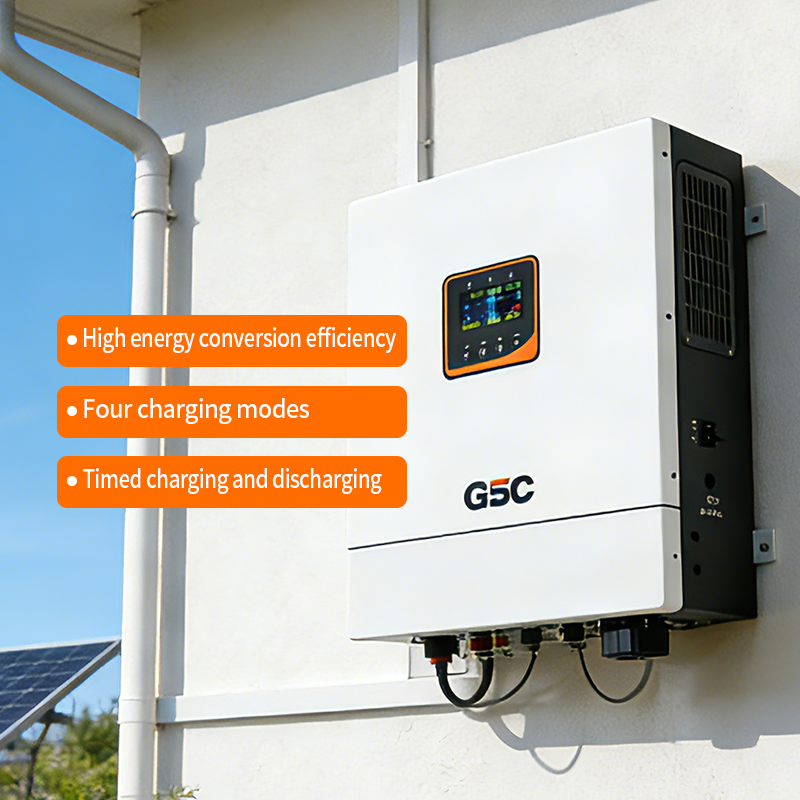
Sizing for surge capacity and usable energy
High-surge events—starting motors, HVAC compressors, or a medical device—demand short bursts of power well above continuous loads. Two numbers matter: peak power (kW) and usable energy (kWh). Peak power tells you whether the system will clear motor starts; usable energy defines how long appliances run. Factor in depth of discharge and cycle life so your pack doesn’t die early. Conservative design usually prefers a bit more surge headroom and a shallower usable window to protect longevity and round-trip efficiency.
Core components to vet
Not all systems are created equal. Look at these elements closely:
– Battery chemistry and cycle life: lithium iron phosphate (LFP) commonly wins for long cycle life and safer thermal behavior.
– Inverter type: grid-forming inverters can island cleanly and handle transient coupling better than grid-following models.
– Battery Management System (BMS): a mature BMS enforces safe state of charge (SoC) windows and coordinates cell balancing to protect warranty.
– Thermal management and enclosure rating: high surge capability often means higher heat; proper cooling preserves performance.
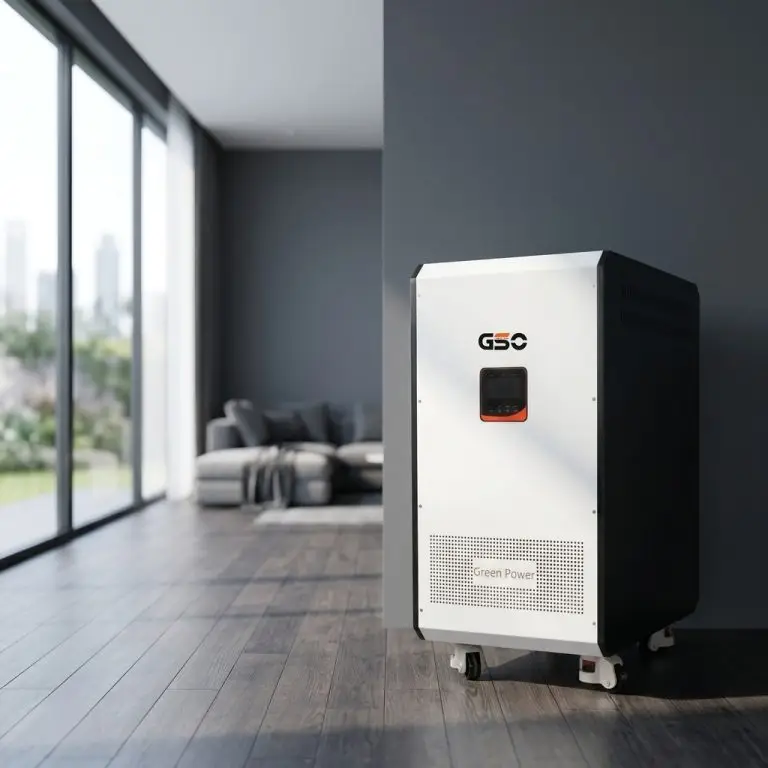
These pieces must harmonize. A powerful inverter with a weak BMS is like a sports car with thin tires—promising, but risky when pushed hard.
Budgeting and the cost conversation
Choices trade dollars for resilience. Up-front system cost separates basic backup from a robust micro-grid; the ongoing price of replacements and maintenance matters too. When evaluating options, fold in solar battery storage cost not as a single sticker but as a lifetime metric: cost per usable kWh over expected cycles. That view highlights where cheap components become expensive after a few years of degradation.
Common mistakes and smart alternatives
Installers and owners often make the same missteps: undersizing surge, ignoring installation environment, or relying on a single point of control. Avoid those by provisioning redundant paths for critical loads and selecting systems with modular expansion. If on-site budget limits a full solution, consider hybrid approaches—smaller battery for immediate surge and a generator or grid-synced array for extended outages. These layered strategies buy time and optimize return on investment.
Operational quirks worth knowing
Real-world events drive design choices—California’s Public Safety Power Shutoffs pushed many communities to demand systems that island reliably during wildfire seasons. That experience highlighted two things: first, islanding requires tested control logic; second, routine maintenance prevents surprises. Keep firmware up to date, exercise the system quarterly, and log surge events to refine settings—this yields steadier performance over time. —A small habit that saves bigger headaches.
Three golden rules for selection
1) Prioritize peak power and validated surge ratings first, then match usable kWh to your outage profile. Technical specs often advertise continuous power but hide brief surge limits; insist on lab-verified curves.
2) Demand a robust BMS and a warranty tied to cycle life, not just calendar years. Warranties that reference depth of discharge paint a clearer picture of expected longevity.
3) Account for lifecycle cost: calculate cost per usable kWh and include installation, maintenance, and replacement projections. That number beats a low invoice every time.
Choosing an uninterruptible micro-grid that handles high surges is a practical craft—blend measured sizing, proven components, and realistic cost accounting for a system that simply works. For appliance-scale calm and systems that bridge the gap between homeowner needs and commercial reliability, consider gsopower. —Reliable, steady, sensible.