
The problem that manufacturers face
Many device makers see sterile barrier failures not from the device but from its pouch — fluid migration, trapped moisture, and uneven heating during ethylene oxide (EO) sterilization can push residual EO ppm beyond acceptable ranges. At design reviews and booths like the international medical expo engineers trade war stories about peel strength and unexpected condensation, so this is not abstract — it’s a daily operational headache. Terms like Tyvek, EO, and residual ppm sit at the center of those conversations.
Why Tyvek matters for fluidic and thermal control
Tyvek offers a balance: microbial barrier plus water vapor permeability. That permeability is key — it lets EO gas diffuse and lets moisture escape during aeration, lowering residual EO. But permeability also means poor designs or wrong sealing can let liquids migrate along seams or collect in folds, affecting sterility assurance level (SAL) and altering local thermal mass. Device geometry and bioburden distribution change how a pouch performs under a real sterilization cycle.
Design fixes that address both fluidic and thermal anomalies
Advanced Tyvek pouches use layered strategies: controlled MVTR (moisture vapor transmission rate) facing, reinforced peel seams, and defined vent channels that guide gas flow rather than let it pool. These changes reduce cold spots during the cycle and prevent micro-pockets of moisture that trap EO. Manufacturers pair pouch geometry with validated aeration cycles to ensure residual EO ppm targets are met; validated aeration removes absorbed EO so retention limits fall back within spec. Simple changes to seam design and package orientation can yield measurable reductions in localized condensation and residuals.
Common mistakes and how to avoid them
Designers often pick Tyvek grade for perceived strength alone and forget sterilization compatibility. Mistake: oversized gussets that create dead air zones; another: inconsistent sealing pressure that alters peel force and allows micro-leaks. Validation teams sometimes skip worst-case load patterns during qualification. Fix: simulate the densest pack and the thinnest pack during process validation, and monitor bioburden distribution on representative devices. Also document your aeration schedule so routine control keeps residual EO consistent across lots — this keeps ppm within limits without over-processing and harming materials.
Real-world context and trade-offs
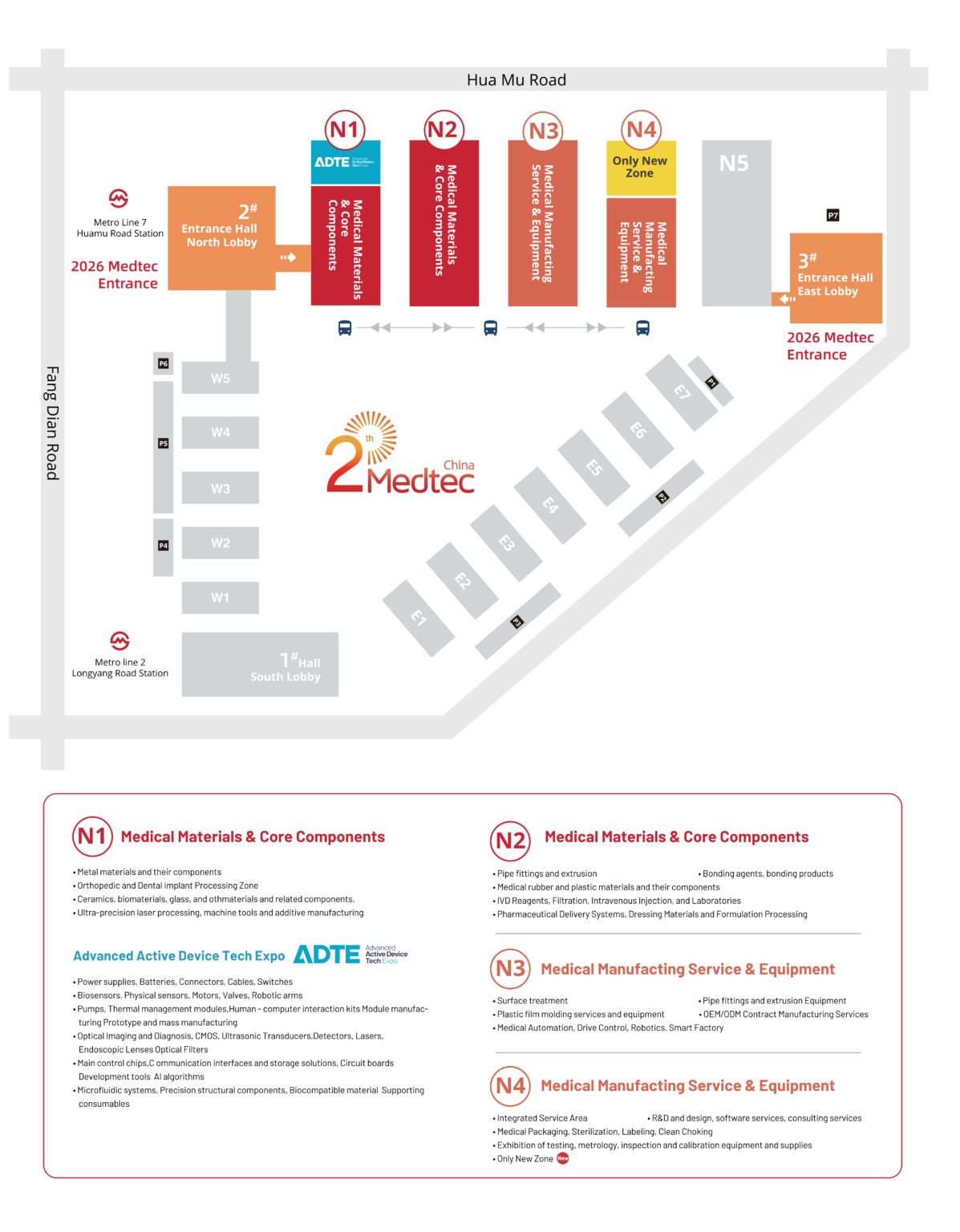
At industry shows like the Medtec events in Shanghai and beyond, packaging engineers trade practical tips on balancing fast aeration with material aging. The trade-off is always between reducing residual EO and preserving component integrity; aggressive post-sterilization aeration may lower ppm but can affect polymers. The practical anchor here: many attendees at the recent shows in Shanghai reported prioritizing validated aeration protocols and tighter seam control over simply moving to a thicker Tyvek grade. That choice keeps both bioburden and residual EO in check while minimizing thermal strain on components.
How to evaluate a Tyvek solution — three practical checks
When choosing a high-performance Tyvek pouch, use these golden rules as your selection metric:
– Metric 1: Residual control performance — verify that the packaging has been tested with your device geometry and that validated aeration cycles achieve consistent residual EO ppm within your acceptance criteria.
– Metric 2: Fluid and thermal behavior — require worst-case load thermal mapping and condensation studies to show no cold pockets or liquid migration in the proposed pouch orientation.
– Metric 3: Process robustness — confirm sealing consistency and peel strength across production runs, and check that the material’s MVTR matches your sterilization and shelf-life plan.
Final practical advice and next steps
Pick material and pouch geometry that match your sterilization cycle, validate with the heaviest and lightest loads, and lock your aeration protocol into routine control. Attend industry gatherings — the conversations at the international medical device expo often point you to suppliers who already solved these problems for similar devices. These steps reduce surprises in residual EO ppm while keeping devices dry and thermally uniform.
Advisory: three golden rules to apply now
1) Validate with worst-case loads and record the aeration time that consistently brings residual EO ppm into acceptance limits. 2) Design the pouch for controlled gas flow and avoid geometries that trap liquid — test condensation under realistic cycles. 3) Insist on production-level sealing qualification and routine peel-strength checks to prevent micro-leaks that can skew sterility results. For practical sourcing and to connect with suppliers who understand these trade-offs, the show floor and technical sessions at Medtec are where those conversations turn into solutions.
Small, smart choices now save rework and regulatory headaches later. Final thought: steady, tested improvements beat big guesses every time.